
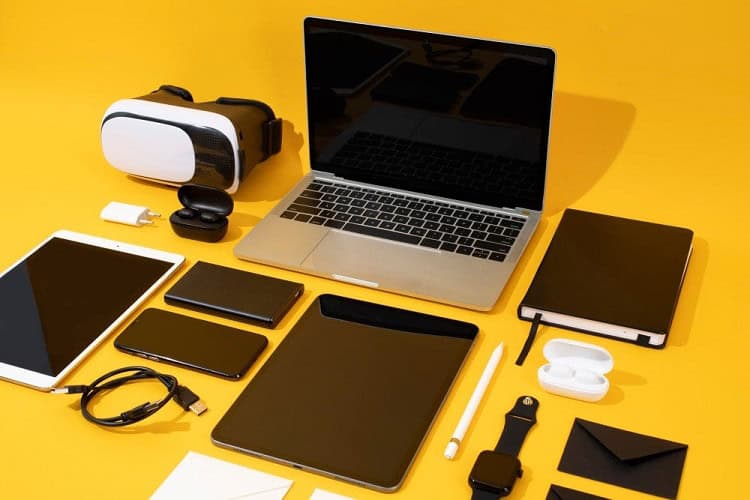
Technology has become a part of almost everything we do. From the moment we wake up to the time we go to sleep, smart devices make our lives easier, faster, and more connected. Whether it’s a smartphone, smartwatch, or smart home assistant, these gadgets have changed how we live, work, and communicate. They have turned ordinary tasks into simple, enjoyable experiences, shaping the modern lifestyle in powerful ways.
The Power of Smart Devices
Smart devices are designed to save time, improve comfort, and make everyday life more efficient. With just one click or a voice command, you can control your lights, check your fitness goals, or even order groceries. These devices have blended seamlessly into our routines, allowing us to focus on what truly matters.
Technology isn’t just about convenience; it’s about empowerment. Smart gadgets give people more control over their daily lives. They help monitor health, manage time, and stay informed, making it easier to balance work and personal life. To explore more about how technology connects to lifestyle and creativity, visit Urban Splatter, where innovation meets inspiration every day.
Smartphones: The Center of Modern Life
The smartphone is perhaps the most influential gadget of our time. It’s more than just a phone; it’s a camera, calculator, calendar, and even a digital wallet. We use it to stay in touch with loved ones, read the news, and explore the world through apps and social media.
For businesses and professionals, smartphones have become essential tools for communication and productivity. They help schedule meetings, manage emails, and keep work organized, all while staying portable and easy to use. Despite being small enough to fit in your pocket, a smartphone has the power to connect you to almost everything.
Smart Homes and Convenience
Smart home technology has made life at home more comfortable and secure. Devices like smart lights, thermostats, and security cameras can be controlled remotely through apps or voice commands. Imagine turning off your lights or adjusting the room temperature without getting up; it’s both practical and energy-saving.
Smart speakers like Alexa and Google Home have become household companions, answering questions, playing music, or setting reminders. These devices not only make daily routines smoother but also help people with disabilities or busy schedules stay independent and organized.
Fitness and Health on Your Wrist
Fitness trackers and smartwatches have revolutionized the way we look at health. They monitor heart rate, sleep patterns, and even stress levels. These gadgets motivate people to stay active by tracking steps, workouts, and calorie intake.
For those focused on well-being, these tools are like personal trainers. They remind you to move, drink water, and take breaks. Collecting data about your daily habits helps you make informed decisions to live a healthier life.
Technology in healthcare has also gone further, with smart medical devices that allow doctors to track patient health remotely. This innovation is improving how medical care is delivered around the world.
To learn more about the latest tech innovations shaping the future, visit technology updates, where modern advancements are explained in simple and engaging ways.
The Role of AI in Daily Life
Artificial Intelligence (AI) plays a major role in making smart devices more intelligent. AI learns from user behavior and adjusts accordingly. When your phone predicts what message you’ll type next or your streaming app suggests movies you might like, that’s AI at work.
In smart homes, AI systems adjust lighting and temperature based on your habits. In cars, AI helps with navigation, parking, and even driving. It’s like having a digital assistant that understands you better over time.
This personalized experience is one reason people rely more on technology today. It not only saves time but also makes life more enjoyable and efficient.
The Balance Between Tech and Life
While smart devices offer many benefits, it’s also important to use them wisely. Too much screen time or dependency on gadgets can affect our mental and physical health. Setting limits, taking breaks, and spending time offline help maintain a healthy balance.
Technology should be a tool, not a distraction. When used thoughtfully, it enhances creativity, productivity, and overall happiness. Learning to manage digital habits ensures that smart devices serve us, not the other way around.
Conclusion
Smart devices have truly changed the way we live, work, and interact. From smartphones that connect the world to smart homes that bring comfort and safety, these gadgets have become a part of our identity.
They remind us that technology, when used positively, can make life better, easier, and more meaningful. The art of living smartly lies in using these devices to improve our daily experiences while staying connected to what truly matters—our health, happiness, and human connections.